Find the perfect custom hoodie fabric: GSM, fleece & blends for comfort! Talk to our team today! Custom Hoodies Fabric Guide: GSM, Fle...
Find the perfect custom hoodie fabric: GSM, fleece & blends for comfort! Talk to our team today!
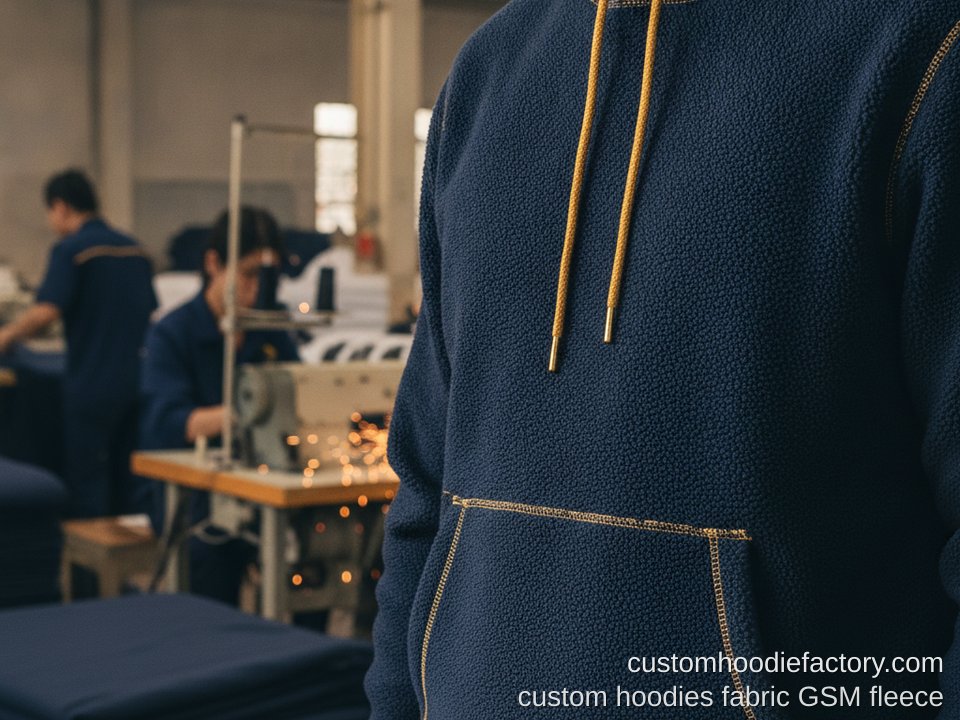
Custom Hoodies Fabric Guide: GSM, Fleece Types, Cotton & Performance Blends
Selecting the right fabric is paramount when ordering custom hoodies. The material directly impacts the garment's feel, durability, warmth, and overall appeal to your target market. Understanding fabric weights, particularly custom hoodies fabric GSM fleece, is crucial for making informed decisions that align with your brand's quality expectations and budget. At Custom Hoodie Factory, operated by Gold Garment in Ho Chi Minh City, Vietnam, we specialize in manufacturing high-quality custom apparel, and this guide will demystify the fabric choices available to you.
The journey of creating exceptional custom hoodies begins with the fabric. As a leading manufacturer, we understand that the tactile experience and performance characteristics of your hoodies are non-negotiable. Our commitment to quality extends from the raw materials to the finished product, ensuring your brand is represented perfectly. For a deeper understanding of the manufacturing landscape, explore our insights into Vietnam textile sourcing.
Understanding Fabric Weight: The Importance of GSM
GSM stands for Grams per Square Meter. It's a standard unit of measurement for fabric density and weight. A higher GSM indicates a heavier, thicker fabric, while a lower GSM signifies a lighter, thinner material. For custom hoodies, GSM is a critical factor in determining warmth, drape, and perceived quality.
The choice of GSM significantly influences the garment's suitability for different climates and purposes. For instance, a lighter GSM might be perfect for a transitional season hoodie, offering breathability without excessive warmth. Conversely, a higher GSM is ideal for winter wear, providing substantial insulation and a more substantial feel. This hoodie GSM guide will help you navigate these options effectively.
Common Fabric Types for Custom Hoodies
The world of textile manufacturing offers a diverse range of fabrics, each with unique properties. For custom hoodies, the most popular choices revolve around cotton, various types of fleece, and performance blends. Understanding the nuances of each will empower you to select the ideal material for your production run.
1. Cotton Fabrics
Cotton is a natural fiber renowned for its softness, breathability, and hypoallergenic properties. It's a versatile and widely loved material for apparel.
- 100% Cotton: This is the purest form, offering excellent comfort and breathability. It's known for its natural feel and is a popular choice for those who prefer natural fibers. However, 100% cotton can be prone to shrinking if not cared for properly and may not offer the same moisture-wicking capabilities as synthetic blends.
- Cotton Blends: Often blended with polyester or other synthetic fibers, cotton blends can offer enhanced durability, wrinkle resistance, and improved moisture management. These blends strike a balance between the comfort of cotton and the performance of synthetics.
2. Fleece Fabrics
Fleece is a soft, napped fabric that is exceptionally warm and comfortable. It's typically made from polyester, though cotton-polyester blends are also common. Fleece is a staple for casual outerwear due to its cozy feel.
- Polyester Fleece: This is the most common type, offering excellent insulation, durability, and quick-drying properties. It's lightweight yet warm, making it a versatile choice for various climates.
- Cotton-Polyester Fleece: Combining the comfort of cotton with the durability and warmth of polyester, these blends offer a balanced performance. They are softer than pure polyester fleece and more resistant to shrinking than 100% cotton.
- Sherpa Fleece: A type of polyester fleece designed to mimic the look and feel of sheepskin. It's incredibly soft, plush, and offers superior warmth, often used for linings or as the main fabric for extra-cozy hoodies.
3. Performance Blends
For activewear or brands looking for enhanced functionality, performance fabric hoodies are an excellent option. These blends are engineered to optimize comfort and utility during physical activity.
- Polyester/Spandex Blends: These offer exceptional stretch and recovery, allowing for freedom of movement. They are also highly breathable and moisture-wicking, making them ideal for athletic applications.
- Moisture-Wicking Fabrics: Often made from specialized polyester or nylon yarns, these fabrics are designed to draw sweat away from the body to the fabric's surface, where it can evaporate quickly. This keeps the wearer dry and comfortable.
- Anti-Microbial Fabrics: Some performance blends are treated to inhibit the growth of odor-causing bacteria, keeping the garment fresher for longer, a significant benefit for active users.
Choosing the Right GSM for Your Custom Hoodies
The GSM of your chosen fabric directly correlates with its weight and warmth. Understanding this relationship is key to meeting your customers' needs and expectations. We offer a comprehensive guide on custom hoodies MOQ, which is often linked to fabric choices and overall order volume.
Generally, the GSM ranges for hoodies can be categorized as follows:
- Lightweight (180-250 GSM): These are ideal for milder climates or layering. They offer a comfortable feel without being too heavy, perfect for spring or fall.
- Midweight (250-320 GSM): This is the most common range for everyday hoodies. They provide a good balance of warmth and comfort, suitable for a wide variety of conditions.
- Heavyweight (320+ GSM): These are designed for colder weather, offering maximum warmth and a substantial, premium feel. They are perfect for winter wear or brands aiming for a robust, durable product.
When considering fleece vs cotton custom hoodies, the GSM will play a significant role. A 300 GSM cotton-polyester fleece will feel much warmer and heavier than a 200 GSM 100% cotton jersey knit. Your decision should align with the intended use and season for your custom hoodies. custom hoodie factory Gold Garment Vietnam.
Fleece Types in Detail
Fleece is a category of fabrics that can vary significantly in texture and density. Understanding these variations is essential for achieving the desired feel and performance in your custom orders.
- French Terry: While not strictly a fleece, French Terry is often grouped with it due to its loop-back construction. It's a knit fabric with smooth loops on the inside and a flat surface on the outside. It's lighter than traditional fleece, highly breathable, and excellent for warmer weather or activewear.
- Brushed Fleece (Fuzzy Fleece): This is what most people envision when they think of fleece. The inside of the fabric is brushed to create a soft, fuzzy texture that traps air, providing excellent insulation. The density of the brushing can affect the GSM and warmth.
- Microfleece: A finer, lighter version of polyester fleece. It's known for its softness and good warmth-to-weight ratio, making it a popular choice for lighter-weight activewear or linings.
Cotton and Performance Blends: A Comparative Look
The choice between cotton-based fabrics and performance blends often comes down to the intended application and desired characteristics. Both offer distinct advantages, and understanding these differences is key to successful sourcing.
- Cotton: Offers superior breathability, a soft natural feel, and is generally more environmentally friendly if sourced responsibly. It's a great choice for casual wear, loungewear, and everyday apparel where maximum breathability is desired.
- Performance Blends: Excel in durability, moisture management, and stretch. They are the go-to for athletic apparel, workwear, or any application where the garment needs to withstand rigorous use and maintain comfort.
For instance, a brand focused on athleisure might opt for a polyester-spandex blend for its stretch and moisture-wicking properties, while a lifestyle brand might prefer a soft, midweight cotton-polyester fleece for its comfort and versatility. As a leading custom hoodie factory Gold Garment Vietnam, we can guide you through these choices to achieve your brand's vision.
Factors Beyond Fabric Weight
While GSM is a primary indicator of fabric weight, several other factors contribute to the overall quality and performance of your custom hoodies. These include the yarn type, weave structure, and any special finishes applied during manufacturing.
- Yarn Count: Higher yarn counts generally indicate finer, stronger yarns, leading to a smoother, more durable fabric.
- Weave/Knit Structure: Different knit structures (like jersey, fleece, rib knit) affect the fabric's stretch, drape, and texture.
- Finishes: Treatments like anti-pilling, pre-shrinking, or moisture-wicking finishes can enhance the fabric's performance and longevity.
Understanding these elements, alongside the core fabric types and GSM, will allow you to specify exactly what you need for your production. For a comprehensive overview of how your custom hoodies are brought to life, consult our guide on how custom hoodies are made.
Frequently Asked Questions
Q: What is the most common GSM for custom hoodies?
A: The most common GSM range for custom hoodies is between 250 and 320 GSM. This midweight range offers a good balance of warmth, comfort, and durability, making it suitable for a wide variety of applications and climates. It's a versatile choice that appeals to a broad customer base.
Q: How do fleece and cotton compare in terms of warmth and breathability for custom hoodies?
A: Fleece generally offers superior warmth and insulation due to its brushed, napped surface that traps air. Cotton, especially in lighter weights like jersey, is more breathable and cooler, making it ideal for warmer weather or active use. Blends can offer a combination of these properties.
Q: Should I choose a higher or lower GSM for performance fabric hoodies?
A: For performance fabric hoodies, the GSM choice depends on the specific activity and climate. Lighter GSMs (180-250) are often preferred for high-intensity activities where breathability and reduced weight are key. Heavier GSMs (320+) might be chosen for outdoor activities in colder conditions where insulation is paramount.
Q: What is the advantage of factory-direct pricing for custom hoodies?
A: Factory-direct pricing, as offered by manufacturers like Custom Hoodie Factory (Gold Garment), eliminates intermediaries. This results in significant cost savings for your business, allowing you to achieve higher profit margins or offer more competitive pricing to your customers. It also ensures a direct line of communication with the production facility.
By thoroughly understanding these fabric options and their associated GSM weights, you are well-equipped to make informed decisions for your next custom hoodie production run. Our team at Custom Hoodie Factory is dedicated to helping you achieve the perfect blend of quality, style, and functionality for your brand.
📩 Request a Free Quote — Response Within 5 Minutes
🌎 Website: customhoodiefactory.com
Factory-direct pricing · MOQ from 100 pcs/style · Sample development · Worldwide shipping


